Organic Apples,
Honestly Grown.
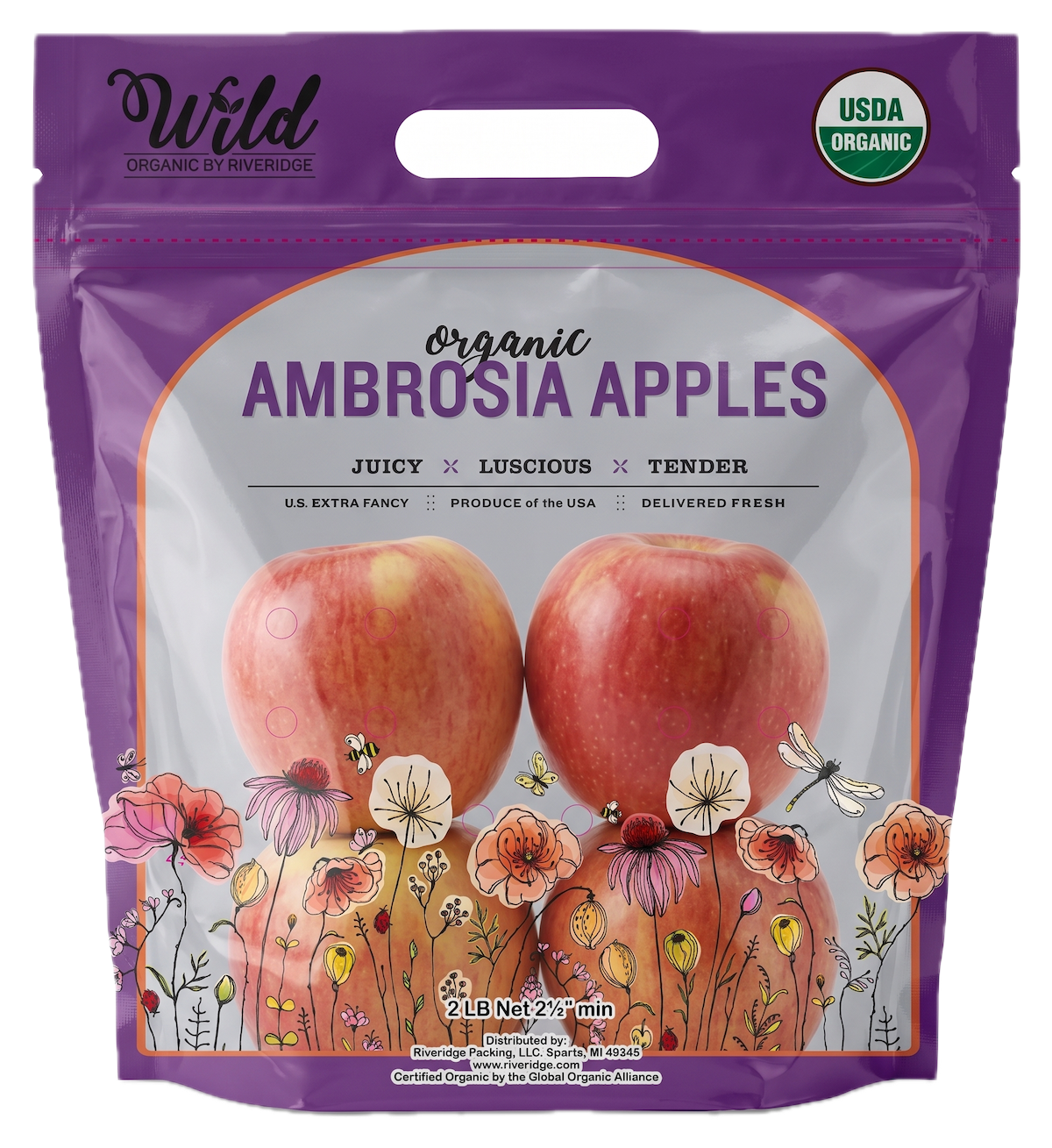
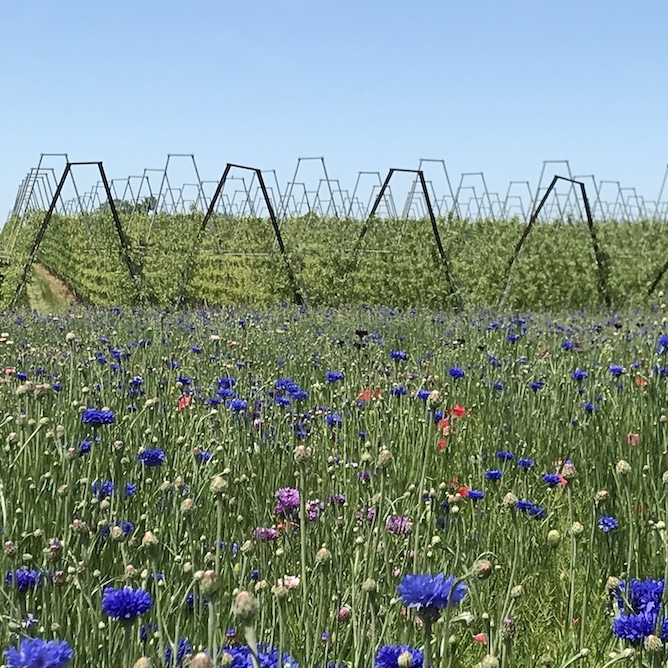
Our “Wild” apple pouches reflect a real commitment to biodiversity, inspired by the nearly 30 acres of native pollinator wildflowers growing across the counties where we farm.
The Honest Reality
Organic in the Eastern U.S.
Is Genuinely Hard.
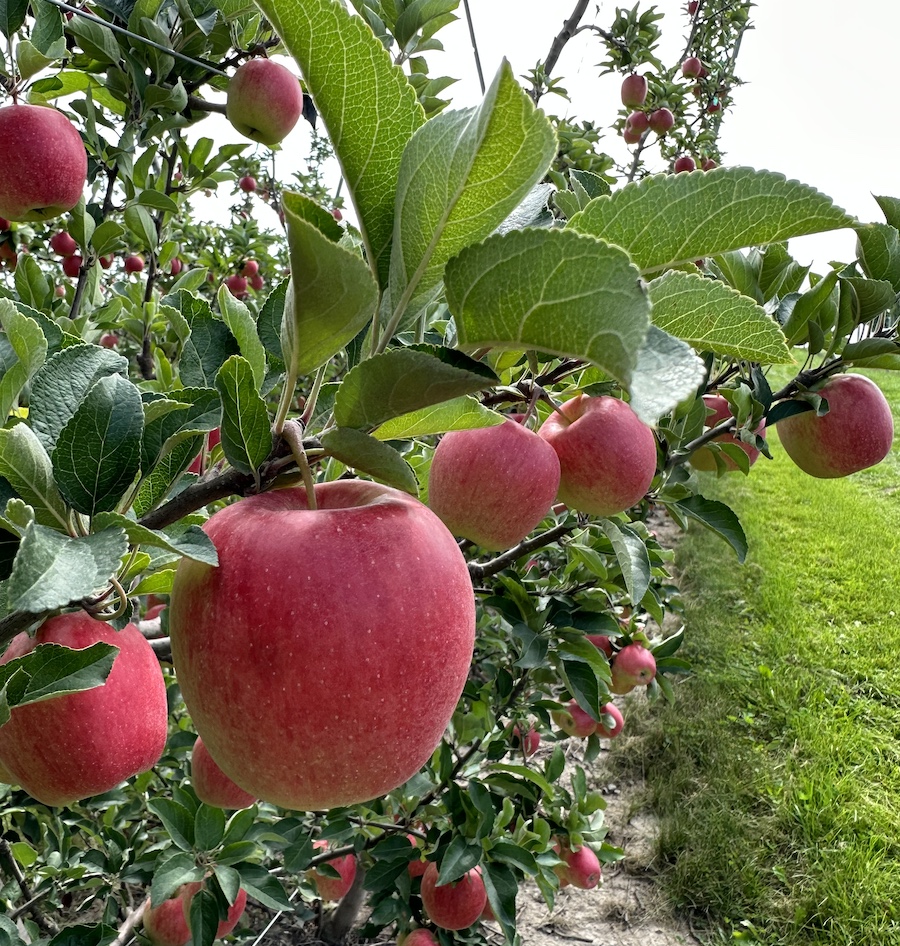
Organic apple production in the eastern U.S. presents unique challenges. Our humid summers increase pest pressure and create ideal conditions for scab, mildew, rust, and blight.
These conditions often make conventional methods the most reliable way to produce consistently high-quality, flavorful fruit at scale. Where we do grow organic, we do it with our eyes open — and with the care every block needs to succeed.
Soil First
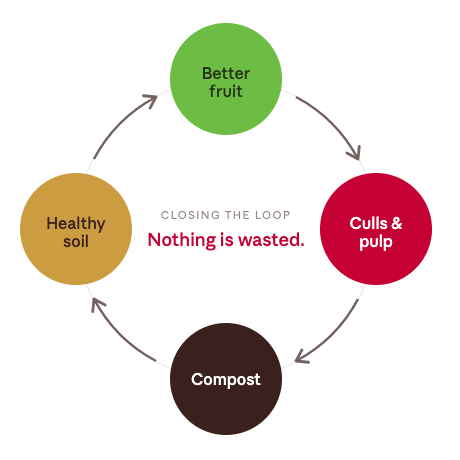
Healthy Soil Closes the Loop.
To meet organic certification standards, we build healthy soil using cover crops that promote biodiversity and support a thriving microbial ecosystem.
We enrich it further with compost made from apples that don’t meet packing standards, plus pulp from cider production, closing the loop in a more sustainable system.
What that means in practice: apples that aren’t pretty enough for the bag still feed the next crop. Nothing is wasted.
Integrated Pest Management
Biological. Physical. Cultural.
Once organic orchards are established, we manage pest pressure through a combination of biological, physical, and cultural controls.
Biological
Beneficial insects naturally manage harmful pests, supported by pheromone-based mating disruption and careful monitoring through traps and field scouting.
Physical
Perimeter fencing helps manage risks from wildlife. Limited mowing lets native wildflowers and grasses flourish between rows.
Cultural
When treatment is necessary, organic applications may include kaolin clay, sulfur, copper, and zinc — tools also used in conventional orchard management.
Pollinator Habitat
30 Acres for the Bees.
Across three of our orchards, nearly 30 acres of native pollinator wildflowers grow untouched — a deliberate, ongoing commitment to biodiversity.
These habitats support native bees, honeybees, and the beneficial insects that keep our IPM program working. What’s good for the pollinators is good for the apples.
Certified Organic
USDA National Organic Program.
Our organic apples are certified by the USDA National Organic Program (NOP), ensuring they meet the rigorous national standards for organic agriculture.
That certification covers soil, inputs, recordkeeping, traceability, and ongoing inspection, the same standard behind every organic label in the U.S. retail aisle.
Have Questions About Organic?
Whether you’re a retailer evaluating an organic program or a shopper trying to understand what’s behind the label, our fruit experts are happy to talk it through.