Partner With Confidence
From orchard to end market, we partner closely with growers and customers to deliver consistent quality, full transparency, and reliability across the supply chain.
Our Approach
Integrated From Orchard to Aisle
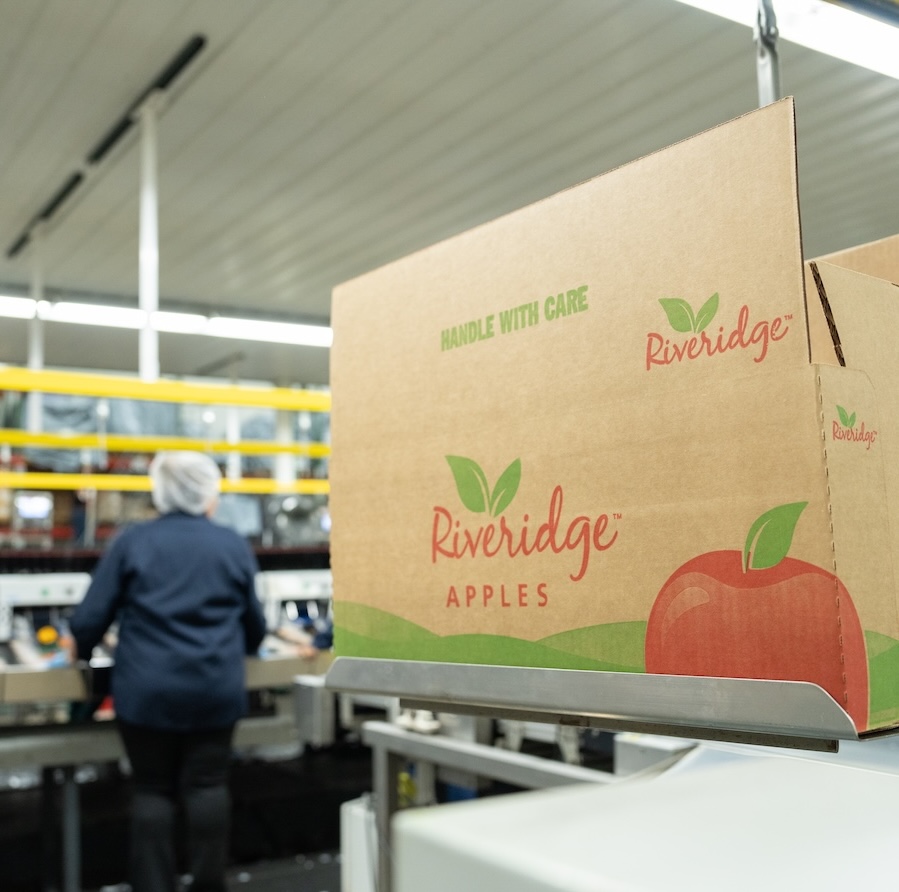
Our integrated approach ensures alignment from orchard to end market, creating value through collaboration, accountability, and shared standards across every facility we work with.
Food Safety
The Foundation of Everything We Do
Our food safety programs are designed to ensure full confidence from orchard to final destination. Our growers’ Good Agricultural Practices (GAPs) are audited and certified annually by both USDA and PrimusGFS.
Each packing house operates its own robust food safety program, managed by an onsite manager and audited annually by USDA and PrimusGFS. Riveridge maintains full-time staff who manage programs and documentation between growers, packers, and retailers — supporting audits, sharing best practices, and organizing training events.
Bin to Store Traceability
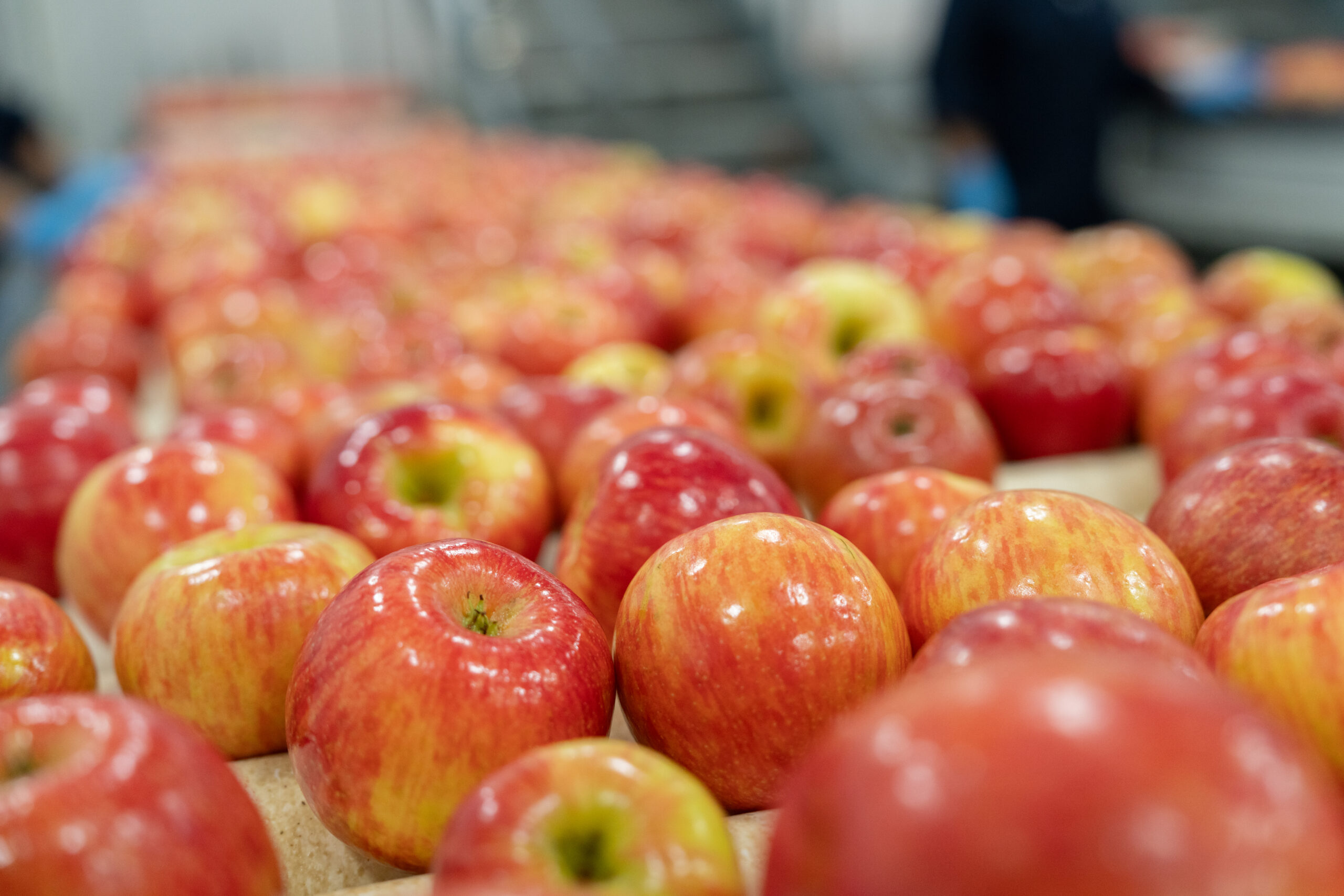
We maintain complete traceability at every step. Bin tags placed in the field at harvest record picker, date, orchard, and lot. We can follow each apple from the tree through packing to the store.
Environmental Monitoring
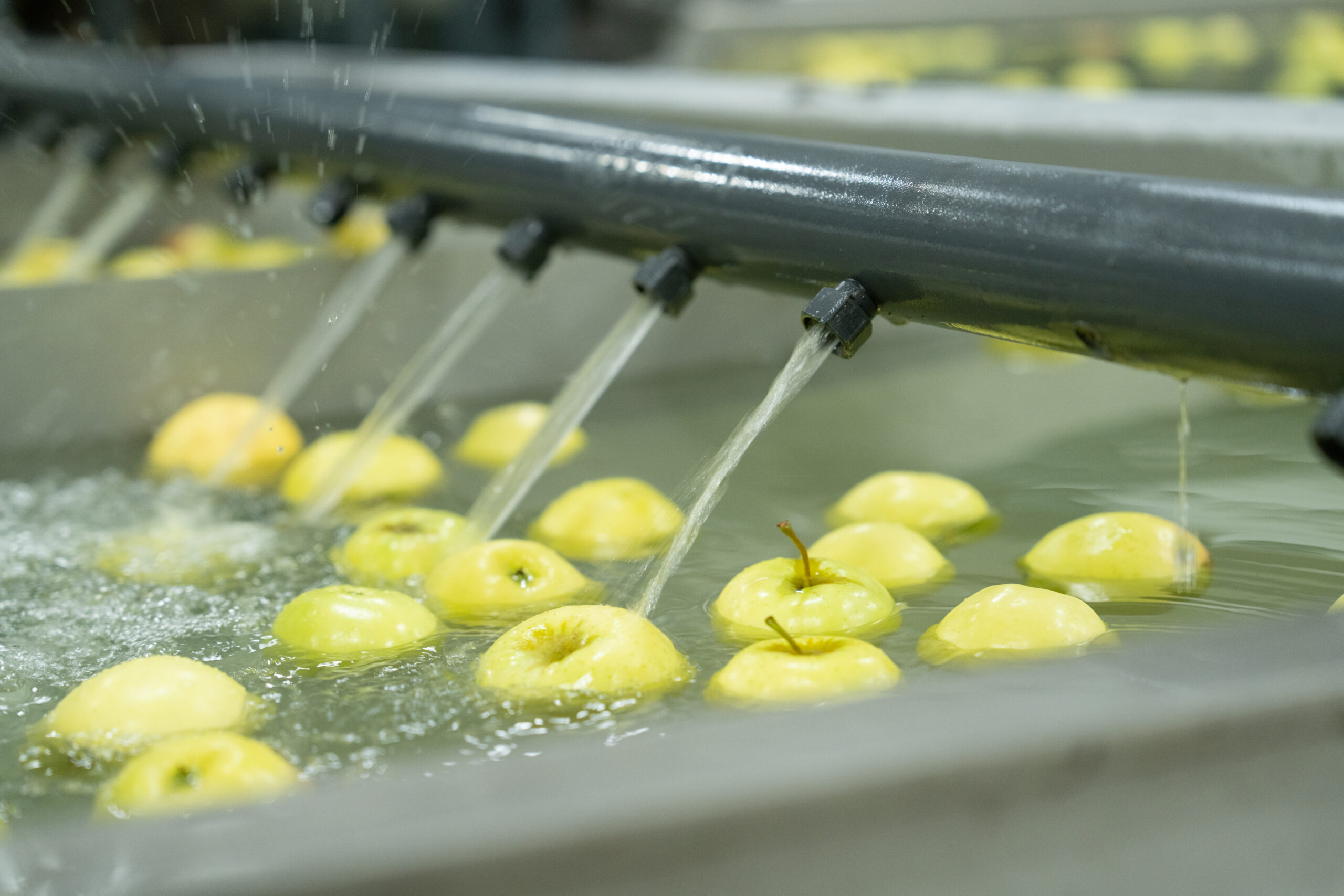
Our facilities follow rigorous environmental monitoring programs, including routine Listeria testing. We’ve established minimum criteria for all packing houses and work closely with each packer on programs tailored to their facility.
Sustainability
Responsible Growing.
Long-Term Health.
We’re committed to growing and operational practices that support long-term environmental health — for our orchards, our communities, and the next generation of farmers.
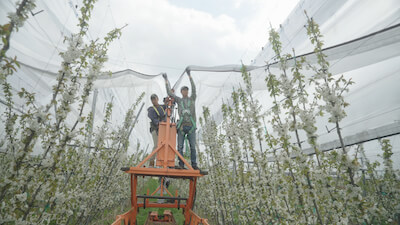
Integrated Pest Management
Our growers use data-driven, environmentally conscious pest management strategies to minimize inputs while protecting crop quality.
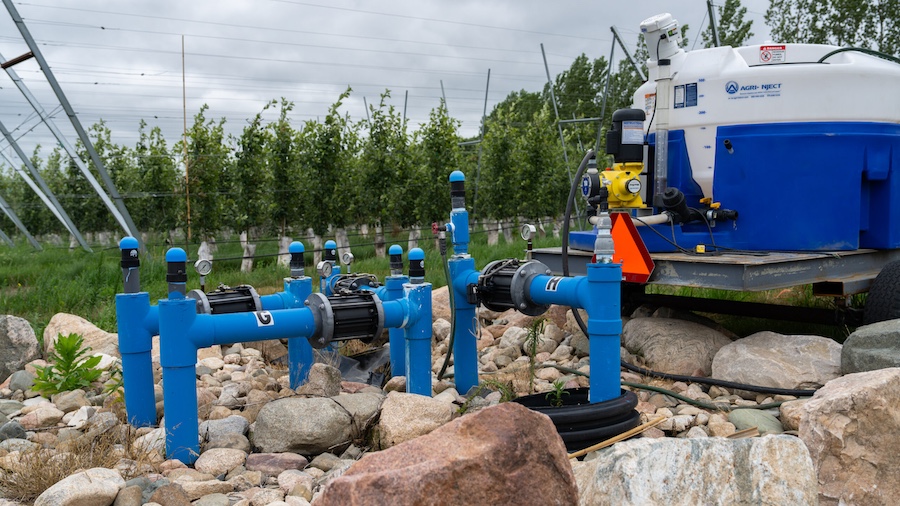
Water Conservation
Efficient irrigation and water reuse systems ensure responsible stewardship. Reclaimed water from our cider plant is used to irrigate nearby crops.
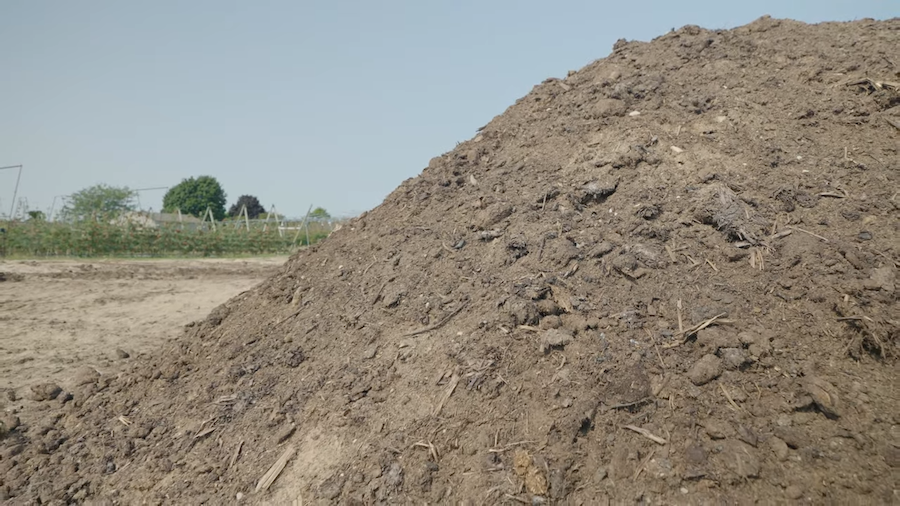
Compost
Pulps from cider production and apples culled from fresh production become compost used in orchards to fertilize fruit trees and cover crops.
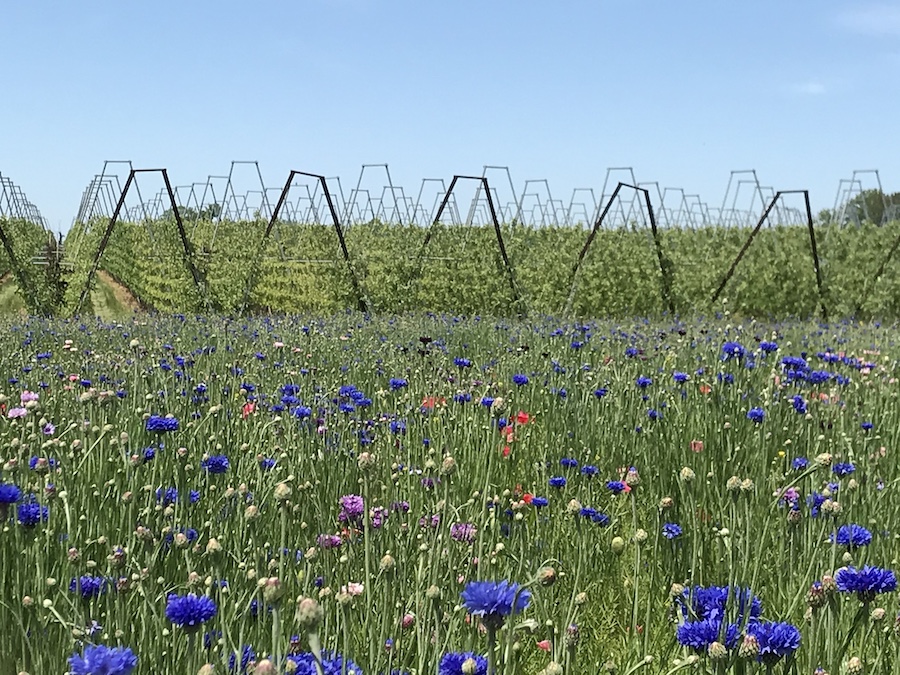
Native Bee Habitats
We leave nearly 30 acres of wildflowers next to three of our orchards untouched, and across our grower network 3% of all orchard acreage stays in native habitat. Together that gives bees and beneficial insects a safe place to live and feed.
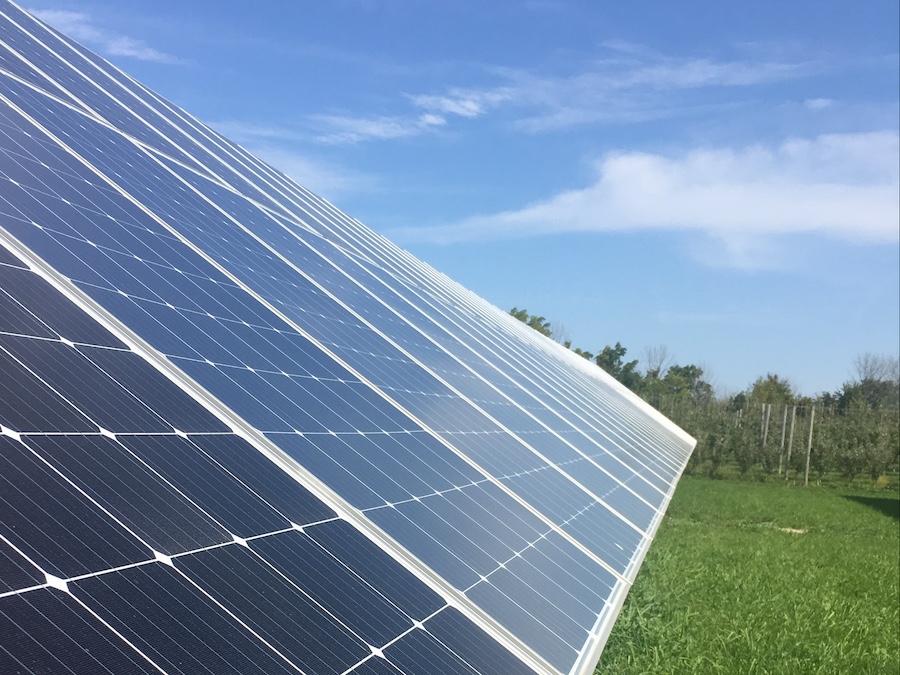
Solar Energy
Investment in solar panels reduces our carbon footprint. Nearly half of our partner packing facilities are powered in part by solar.
Quality Control
Premium Fruit Starts Before Harvest.
Delivering consistent quality starts well before harvest and continues through storage, packing, and shipment.

Crop Load Management
Careful balancing of fruit per tree ensures optimal size, flavor, and consistency. Growers begin evaluating crop potential while trees are still dormant. Advanced camera systems are being tested to count buds through blossom clusters.

Bud Development & Thinning
Strategic pruning and thinning support uniform development. Based on dormant bud analysis, growers determine vegetative vs. floral buds — leaves vs. apples — and prune accordingly.

Storage Planning
We take a proactive approach to storage planning, aligning supply with market demand. Veteran growers and our own field staff give us strong visibility into crop yields season to season.

Controlled Atmosphere (CA) Storage
Advanced CA storage technology regulates oxygen, carbon dioxide, and temperature to preserve firmness, flavor, and shelf life year round.

Field & Shed Testing
Continuous testing in both orchard and packing environments ensures quality standards are met at every stage — not just at the final pack.
Social Responsibility
People Over Pure Profit.
We’re committed to ethical business practices and the well-being of our workforce. The way we treat people is part of how we build farming communities that can keep producing high-quality food for generations.
Ethical Audits
Regular third-party audits verify compliance with labor, safety, and ethical standards across our facilities.
Grower Initiatives
Growers perform self-assessments and learn best practices from industry peers, supported by Riveridge programming.
SMETA
Audited Against the Global Standard.
SMETA (Sedex Members Ethical Trade Audit) is one of the most widely recognized ethical audit formats in the world. We implement SMETA audits in our facilities to deliver:
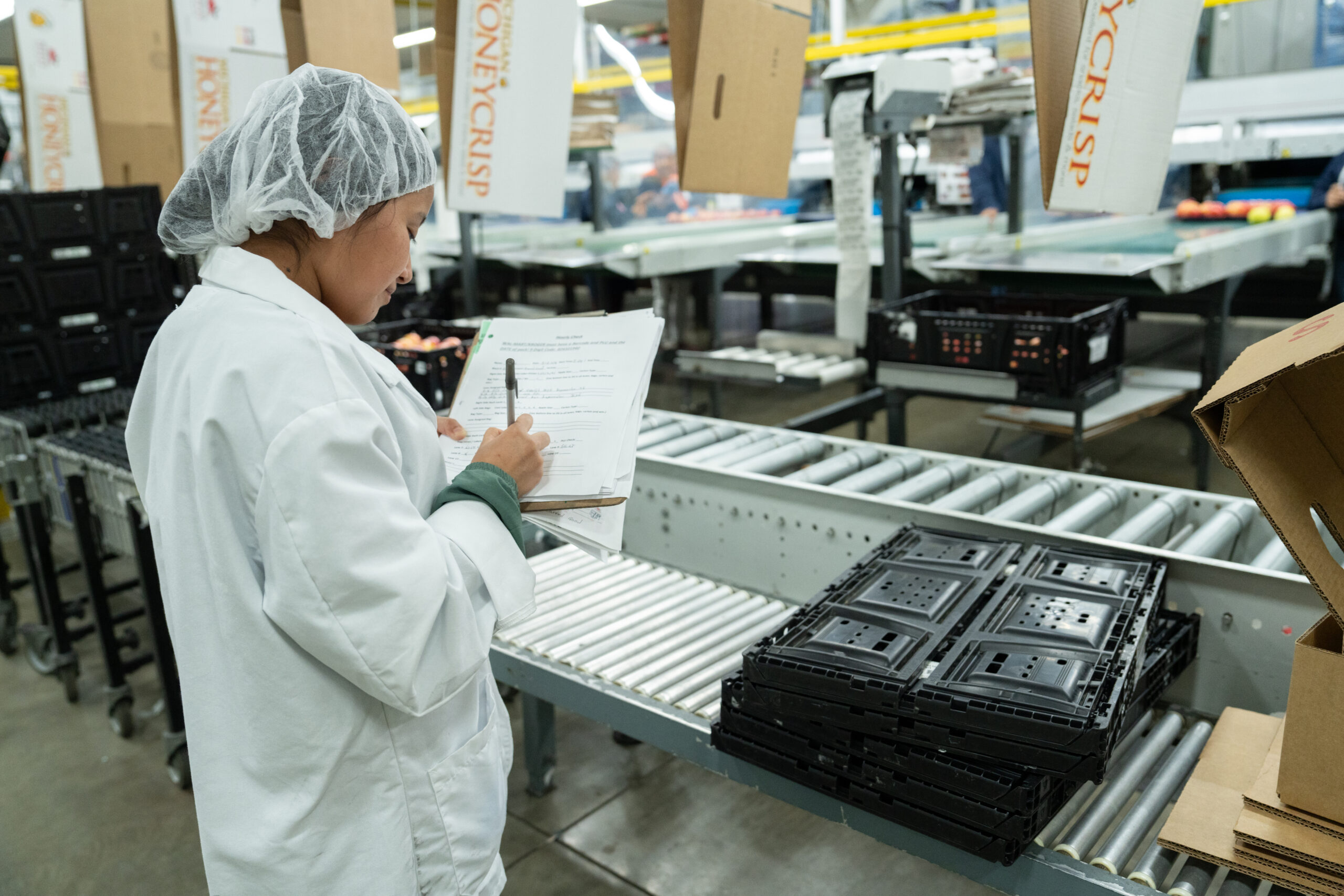
Verified Transparency
Independent auditors assess our sites on labor standards, health and safety, environmental impact, and business ethics.
Global Benchmarking
SMETA uses a universal standard — so ‘ethical’ isn’t a marketing word, it’s measurable, international data backing the claim.
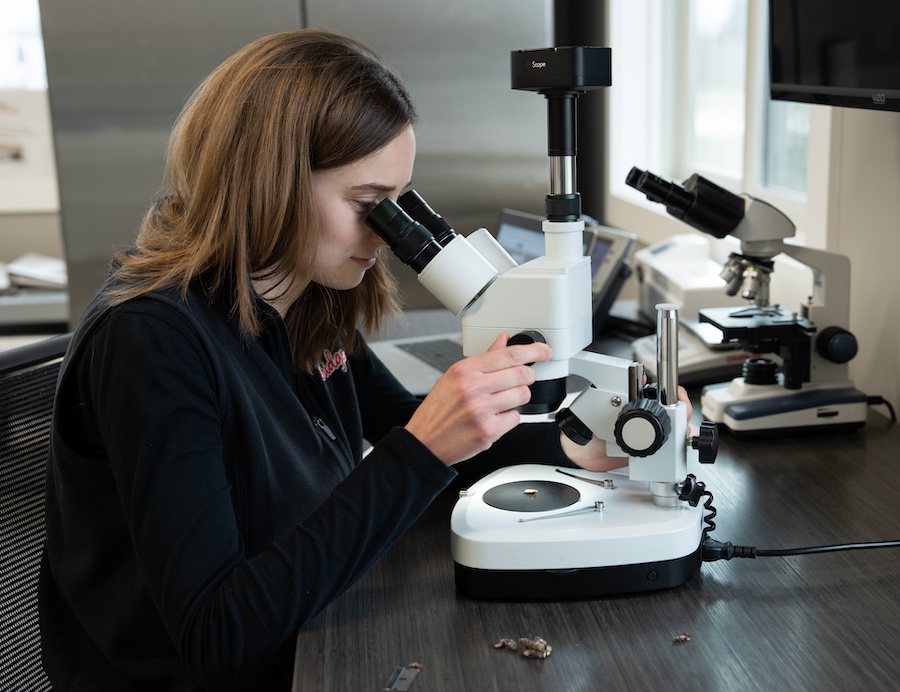
Continuous Improvement
SMETA isn’t pass/fail. It’s a framework that pushes our facilities to constantly elevate their social performance.
ECIP LAB
Proactive Labor Practices.
The Ethical Charter Implementation Program (ECIP) LAB is a specialized platform for growers to demonstrate commitment to the Ethical Charter on Responsible Labor Practices. Our participation delivers:
Grower Empowerment
ECIP gives growers tools and resources to strengthen their labor management systems voluntarily.
Proactive Oversight
Unlike reactive audits, ECIP participation shows growers are proactively engaging in self-assessment and education.
Unified Standards
It aligns the entire industry — field to retailer — under a single set of expectations on worker treatment and harvesting practices.
Ready to Partner With Us?
Whether you’re a retail buyer, a packer evaluating co-pack relationships, or a grower looking to move fruit commercially, we’re ready to talk.