Ambrosia

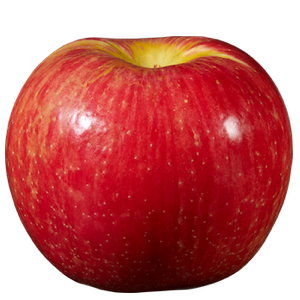
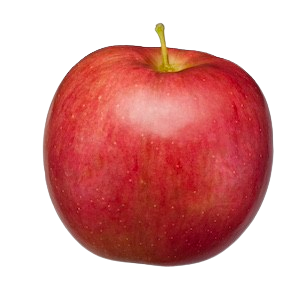
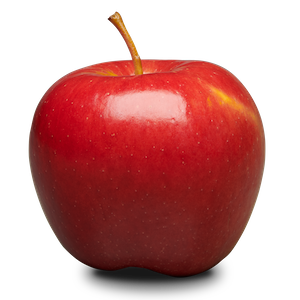
Ambrosia is a mildly sweet, tropical-tasting apple discovered growing on its own in a Canadian Jonagold orchard. Its slow-to-brown flesh and excellent storage make it perfect for snacking, cheese plates, and winter enjoyment long after the fall harvest ends.
RiveridgeAmbrosia

Sweetness Meter

How sweet is it?

Flavor Meter
9
TartBalancedSweet

Best Uses

How to enjoy it

Salads
Slices
Snacking

The Story

What makes it special

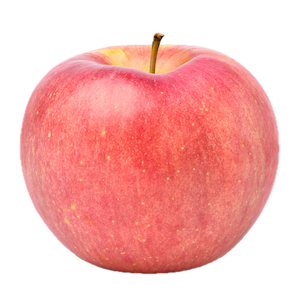
A delightfully red-hued apple, Ambrosia is a newer variety on the scene. It’s a surprisingly tropical-tasting apple, mildly sweet and a bit tart, with a crisp bite.

Like a fairy tale find, the variety was discovered by pickers, growing in a Jonagold orchard in Canada. In a world of breeding the perfect flavorful bite, Ambrosia made its appearance on its own.

Ambrosia is excellent for snacking, and its slow-to-brown flesh makes it ideal for apple-and-cheese plates. Still a sleeper variety, it quickly becomes a favorite once people try it.

Arriving in stores later in the fall and storing beautifully, Ambrosia is an ideal winter apple.
RiveridgeAmbrosia

Key Facts

Specs at a glance

TasteJuicy, tender, slightly tart
TextureTender skin with a juicy bite
AppearanceBright red with a yellow background
PeakSept 28

Available in pack sizes

  • Totes
  • Trays / Bulk
PLU Code
GPC Code
Peak HarvestSept 28
Window±1 week
Storage Temp34-36° F
AvailabilityLate September through summer

Pack Sizes & UPC Codes

Download Spec SheetView packaging options →

Frequently Asked

Good to know

My Ambrosia has more yellow than red, does that affect the flavor?

No, the color of the apples typically does not affect flavor.

Like humans, apples turn red when exposed to sunlight. A more yellow apple was likely one with more leaf cover, shading it.

How can an apple just be discovered in an orchard?

It's nature at its best! When apple trees bloom, bees, insects and wind carry the pollen from one apple variety to another, fertilizing the flowers.

The result of that fertilized blossom is an apple as the variety that tree was expected to create. HOWEVER, the seed has an entirely unique genetic combination. If a seed from that apple falls to the ground and takes, it's called a volunteer (a chance seedling), and a new variety is born!

Ask A Fruit Expert

Got a question about apples?

Our team of growers, packers, and produce pros will answer it.