Honeycrisp

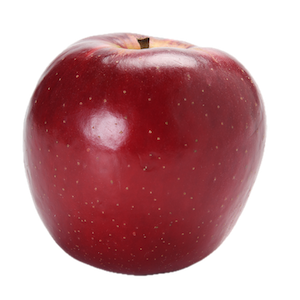
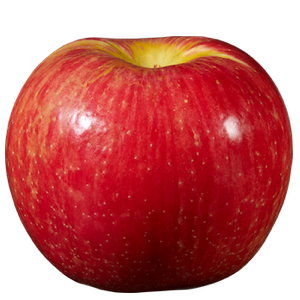
Honeycrisp is a Midwest-born apple famous for its explosively crisp, juicy bite and balanced sweetness. Finicky to grow and handle, it thrives in Michigan's Great Lakes climate and is the most eagerly anticipated variety each fall.
Honeycrisp apple

Sweetness Meter

How sweet is it?

Flavor Meter
8
TartBalancedSweet

Best Uses

How to enjoy it

Salads
Slices
Snacking

The Story

What makes it special

A Midwest original, Honeycrisp apples thrive in the Great Lakes climate. Their natural sweetness and crisp, juicy bite come from warm summer days and cool fall nights, a perfect balance that’s won over Americans and even turned non-apple eaters into fans.

The variety most eagerly anticipated each autumn, Honeycrisp is explosively crisp and juicy thanks to its unique cell structure that holds more water than other varieties. Paired with the warm, sunny summer days and the cool, early fall nights, the sugars burst onto the scene to create the ideal apple.

Finicky to grow and pack, Honeycrisp requires patience and skill. Experienced Riveridge growers like the Dietrich family, who operate the state’s largest Honeycrisp orchards by volume, use expert orchard management practices. From precise pruning and trellising to careful fertigation, thinning, and gentle handling, a Honeycrisp grown on the Ridge is truly hard to resist.
Key Facts

Specs at a glance

TasteSweet, explosively juicy
TextureSoft skin with firm flesh
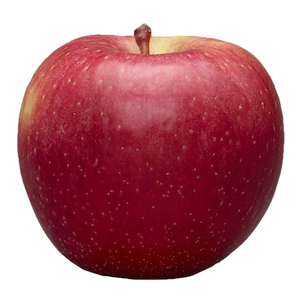
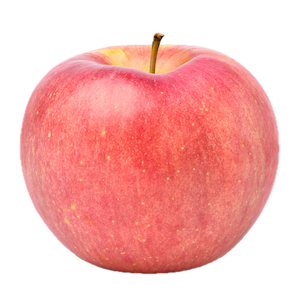
AppearanceRich red over a yellow base
PeakSept 1

Available in pack sizes

PLU Code#3283
GPC Code
Peak HarvestSept 1
Window±1 week
Storage Temp34-36° F
AvailabilityYear round

Pack Sizes & UPC Codes

Pack Apple Size Grade UPC
3lb 2 1/2" US Extra Fancy 0 33383 04681 5

Download Spec SheetView packaging options →

Frequently Asked

Good to know

Why do Honeycrisp apples often cost more than other varieties?

Several factors make Honeycrisp apples more costly. Originally, it was all about supply and demand. The variety became incredibly popular, and new trees take years to mature and produce fruit.

Today, the main reason is that Honeycrisp are simply more expensive to grow. The inputs and care required to bring them to market are significantly higher than for other apples. For example:

  • 🌳 Weaker trees need more pruning and support
  • ✂️ Delicate skin means stems must be clipped while picked to prevent damage
  • 🫧 Bins are lined with bubble wrap to cushion the fruit during harvest
  • 🥛 Extra calcium is added to strengthen the trees and improve fruit quality
  • 🐌 Packing lines run slower to avoid bruising
  • ☀️ Reflective Mylar is used in orchards to help apples color evenly from the bottom up
The Honeycrisp I bought don't have stems, why is that?

Honeycrisp apples have thinner skin than other varieties, making them more prone to punctures from other apples' stems. To prevent damage, pickers carefully clip each stem as they harvest.

Where are the best Honeycrisp grown?

We like to say Michigan! Even a taste panel has confirmed consumers prefer the flavor of a Michigan-grown Honeycrisp over other regions. Honeycrisp was born in the Minnesota climate, making Michigan an ideal growing area for the variety. Our sunny summer days, cool autumn nights and sleepy, cold winters help trees to produce the most flavorful, juicy apples.

Ask A Fruit Expert

Got a question about apples?

Our team of growers, packers, and produce pros will answer it.